


Travel itinerary app development is fast becoming a strategic necessity for Australian enterprises looking to lead in the travel and tourism space. With Australia welcoming about 8.3 million international arrivals in the last year – a 9% year-on-year increase – travel businesses have the opportunity to scale faster and capture a significant market share. (Source: Travel and Tour World)
At the same time, direct tourism GDP rose from AUD $71.6 billion to $78.1 billion between 2022-23 and 2023-24, with tourism jobs growing to reach 691,500 filled roles. These numbers show the capacity and appetite for travel itinerary apps that improve travelers’ journeys.
Customers now expect more than generic schedules and booking links. They want personalized itineraries, instant updates, offline access in remote areas, and seamless integration of local experiences and payments.
This presents a chance for enterprises to engage users and unlock new revenue streams through premium features, partnerships, loyalty integrations, and possibly subscription-based models.
In this blog, we’ll explore why Australian businesses should build a smart traveller app to drive engagement and revenue. You’ll also see where the market is headed, essential features, and monetization strategies that you should follow.
Table of Contents
The Market Opportunity for Australian Travel Enterprises
The Australian online travel bookings market size was valued at $11 billion in 2024, projected to reach $15.4 billion by 2033, showing a CAGR of 3.8% from 2025 to 2033. These statistics show that Australia’s tourism industry is entering a strong growth phase, creating opportunities for enterprises to innovate with digital solutions like a travel itinerary app.
As we have already discussed, the country welcomed 8.3 million international arrivals in 2024. This surge shows that businesses can easily capture traveler attention and loyalty through mobile-first platforms.
Research shows that over 90% of Australians use smartphones daily, making apps a natural touchpoint for trip planning and in-destination services. Enterprises need to invest in developing a smart traveller app that can tap into this behavior, offering features like offline access, AI-driven recommendations, and loyalty integrations.
Having a travel itinerary planner app can act as a long-term engagement platform, boosting customer retention, unlocking cross-selling opportunities, and generating valuable insights from traveler behavior.
Why You Should Build A Travel Itinerary App?
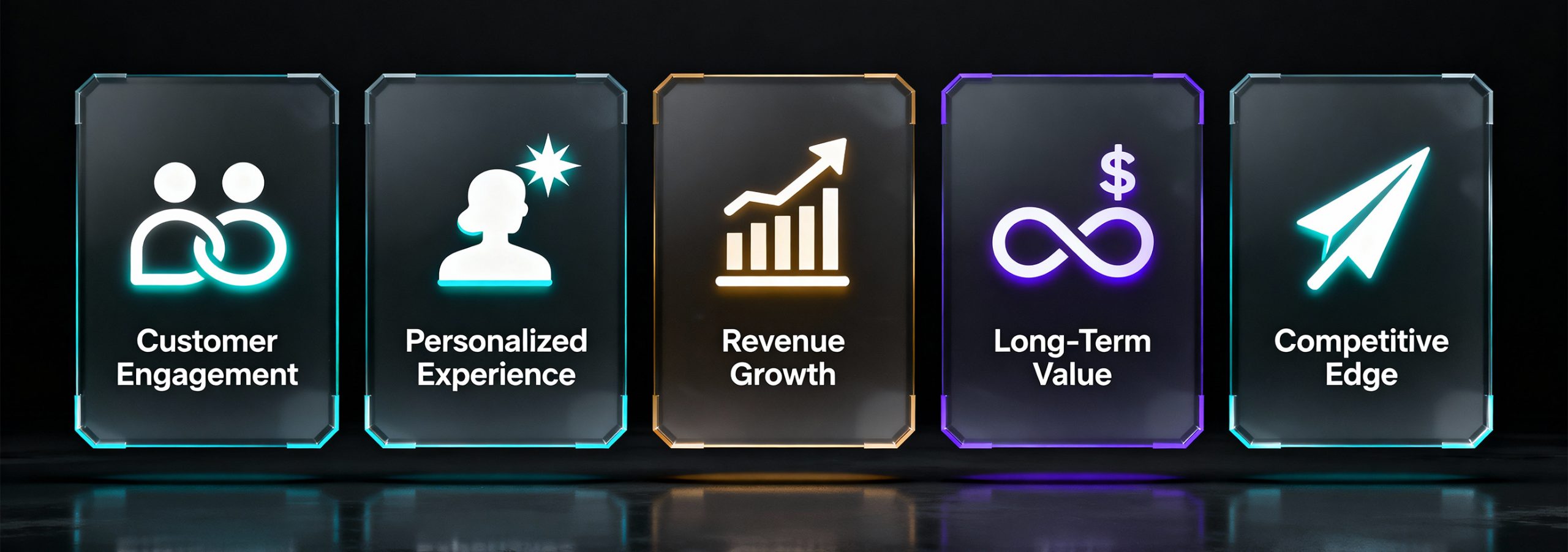
For Australian enterprises in the tourism and hospitality space, investing in a travel itinerary app is more than a digital upgrade. Building a smart travel planning app is a strategic move to engage travelers, personalize experiences, and unlock new revenue opportunities. But there’s more to uncover, let’s explore why businesses should create itinerary app:
1. Improving Customer Engagement
A well-built itinerary travel app gives users a centralized hub to manage bookings, daily schedules, and destination insights. Having features like real-time notification, personalized trip suggestions, and in-app communication allows enterprises to maintain consistent engagement throughout the traveler’s journey. This continuous interaction builds trust and strengthens brand recall. For businesses planning their next big product, a travel app development guide can provide the right strategies to design features that truly enhance customer engagement.
2. Personalized Experience
The rise of AI apps for travel itinerary planning is reshaping user expectations. By leveraging machine learning and travel planner artificial intelligence, businesses can provide tailored itineraries based on traveler preferences, budgets, and historical data. When you use a more advanced AI travel itinerary app, personalization can drive stickiness and repeat usage.
3. Driving Revenue Growth
Apart from engagement, launching the best travel itinerary app allows you to drive revenue growth. These apps need to integrate direct booking systems to save enterprises from commission-heavy third-party platforms. They also create opportunities for cross-selling, such as hotels, tours, car rentals, and insurance, while data-driven insights empower smarter marketing campaigns. Launching these campaigns allows businesses to achieve maximum growth by giving users what they want.
4. Building Long-Term Value through Digital Ecosystems
A travel app planner is more than a utility tool; it’s the gateway to a long-term digital ecosystem. By encouraging users to create profiles, save preferences, and integrate loyalty rewards, enterprises build stronger customer relationships. Over time, these apps become a recurring revenue channel and a source of actionable traveler insights.
5. Competitive Edge with Smart Travel Planning
Enterprises adopting a trip planner mobile app gain a clear advantage in customer experience. A feature-rich app for creating travel itineraries positions brands as reliable digital partners. This edge becomes important in competitive markets where travelers compare multiple options before making decisions. To make your app more advanced, you can use AI in travel app development. It can help you lead the market.
Core Features to Include in a Successful Travel Itinerary App
For enterprises, building a feature-rich travel itinerary app is about delivering experiences that keep users engaged and returning. The best apps combine intuitive design with advanced tech to meet evolving traveler expectations. Take a look at the essential features you need to make a successful trip planner mobile app:
- Smart Itinerary Builder: When you build an app for planning a travel itinerary, it’s important to allow users to create, adjust, and manage day-to-day plans with minimal effort. Improving this with AI-driven suggestions can make journeys more personalized.
- Multi-Channel Booking: Building the best travel itinerary apps should include flights, hotels, rentals, and tours in one place. By offering direct booking options, enterprises can cut down on third-party commissions.
- Offline Access and Navigation: Connectivity isn’t guaranteed everywhere. To increase the reliability of your travel itinerary planner app, allow access to itineraries, maps, and essential details even without internet.
- Real-Time Notifications: Push alerts for flight delays, gate changes, or activity reminders keep users engaged and improve overall satisfaction.
- In-App Maps and Navigation: Building the best app for travel itinerary requires integration with GPS and mapping services to offer directions, nearby attractions, and safety updates.
- Expense Tracking & Budgeting: Features like budget planners, expense categorization, and currency converters help travelers stay in control and make your app irreplaceable.
- Hyper Personalization: You should build AI trip planner to provide next-level personalization. Using AI can allow your app to suggest activities, accommodations, and dining options based on past behavior and preferences.
- Secure Payments & Wallet Integration: Seamless, PCI-compliant payment options with digital wallet support increase user trust and enable in-app revenue streams.
- Loyalty & Rewards Integration: Connecting the smart traveller Australia app style loyalty programs or custom points systems encourage repeat engagement and retention.
- 24/7 Virtual Assistance: The power of chatbots in mobile apps is undeniable. Integrating them in the mobile app will offer instant help, reducing support costs while improving customer confidence.
Best Practices for Australian Enterprises To Drive Engagement and Revenue

Building a travel itinerary app is just the starting point for Australian enterprises. The real challenge is ensuring the app not only attracts downloads but also delivers measurable engagement and revenue. Here are proven best practices to increase engagement and revenue:
1. Provide Personalized Experiences
Travelers now expect tailored recommendations rather than one-size-fits-all schedules. Enterprises should focus on providing an artificial intelligence travel planner to deliver customized itineraries based on preferences, budgets, and travel history. Personalization enhances user satisfaction and fosters repeat engagement, providing enterprises with a competitive edge in the digital marketplace.
2. Offer Seamless UX to Simplify Travel Planning
A clutter-free design is critical for engagement. An intuitive app travel planning interface ensures users can easily create and manage itineraries without frustration. When building a vacation trip planner app, it’s essential to include smooth navigation, minimal clicks, and mobile-first layouts to increase usage and retention.
3. Include Advanced Security & Compliance
Building an app for travel itinerary in Australia requires compliance with data privacy laws and secure payment systems. Enterprises should focus on encrypted transactions, transparent data policies, and trusted integrations, positioning the app as both safe and reliable. Providing best-in-class mobile app security allows businesses to avoid data leakage and foster trust.
4. Expand Value Through Partnerships
A travel trip planner app becomes more than a planning tool when enterprises integrate local experiences, loyalty rewards, and affiliate offers. You should partner with hotels, airliners, and tour operators not only to generate additional revenue but also to enrich the user experience with end-to-end solutions.
5. Leverage Continuous Updates
An itinerary travel app should evolve with traveler expectations. In this ever-evolving world, users expect mobile apps to fulfill their needs. By analyzing app usage patterns, reviews, and customer feedback, enterprises can refine features, introduce new services, and launch targeted campaigns. Regular updates also result in reliability, encouraging long-term loyalty.
Overall, the best practices revolve around balancing user-first innovation with monetization. Combining AI-driven personalization, seamless UI and UX design, secure operations, and strong partnerships allows businesses to transform a simple travel planner application into a growth engine that consistently drives engagement and revenue.
Steps To Develop Travel Itinerary App
When you decide to build a travel itinerary app for your business in Australia, you need to follow some essential steps. Now that you have explored the best practices to drive engagement, it’s time to look at the development process. Understanding this process is necessary to partner with a travel app development company and maintain transparency with them. These steps are:
Step 1: Discovery Phase
Building an app for travel itinerary users starts by gathering information and doing preliminary preparation, which is usually necessary to make it successful. Going through the discovery phase is necessary to study the app market. Travel trends change with time, and they influence the demands of consumers.
That’s why you should go through the discovery phase to understand your target audience, their buying habits, and their budget range. Analyzing competitors is also necessary. You can identify some loopholes that can work as an opportunity to fuel sustainable growth.
Step 2: Designing UI/UX Principles
Design principles are the cherries on top of your app. With UI/UX design principles, you can decorate your travel itinerary app and make it stand out among the competition. Including intuitive UI/UX will improve the user experience, driving maximum user engagement and revenue. Follow this checklist while designing the best travel app for itinerary and planning:
- Intuitive and clean layout
- Attention-grabbing design
- Personalization and customization
- Fast loading and responsiveness
- Screen optimization for devices
Step 3: Development Phase
Once finished designing the UI/UX principles, the mobile app development company starts writing modules. You need to utilize the emerging mobile app development trends in Australia to build a seamless app. Choosing modules to write code reduces delays and disturbances while enabling accurate results. In addition to that, module-wise development allows the development team to include client feedback right after receiving it.
During the development, you can’t ignore including the top-class security features. The users will share their personal data with you, and they should get world-class security. It will boost user retention and enhance their trust in your travel itinerary app.
Step 4: Testing Phase
The work doesn’t end at developing an app to manage travel itineraries. Testing is one of the most important processes that can make your app bug-free and easy to use. If you have opted to build an MVP, then you should check out the best ways for MVP testing for a successful app launch.
Testers will make your app go under dedicated testing practices to resolve any malfunctions or faults encountered while using the app. Once the testing is completed, you are good to go with app launching.
Step 5: Launching and Marketing
Instead of launching on a single platform, you should opt for both Android and iOS. Choosing cross-platform app development can help you reach a wider audience, maximizing user retention and revenue. Partner with a mobile app development company in Australia that offers maintenance and updates even after launch.
After launching the app, you need to focus on the marketing and campaigning of your travel planner app. Today, Instagram has increased the number of travel influencers who can help you market your app hassle-free and make it famous among fellow travelers. While marketing your app, keep these pointers in mind:
- Unique Value Proposition
- App Store Optimization
- Effective Marketing Campaigns
- Promotional Incentives

Travel Itinerary App Development Cost
The cost of developing a travel itinerary app in Australia is approximately $15,000 to $200,000 or more, depending on the crucial factors. For Android, it will take around 500-600 hours, and iOS takes about 500 hours. If you hire app developers from India, you can build your travel app for cheaper prices because the Asia region offers lower prices as compared to Australia or USA. The important features influencing the complete travel itinerary app development cost:
- Key Features
- Product Design
- Development Team Cost
- App Complexity
- Tech Stack
- Development Platforms
Read Also: Travel App Development Cost Based on App Features, Types, Examples
Closing Remarks
The travel industry is growing, and so is the demand for travel planning apps. People expect to plan their whole trip, from booking apartments to planning their activities, with a mobile app. That means there’s a lot to be done in the travel industry in Australia. Enterprises that focus on building a best-in-class travel itinerary app can leave the competitors behind and fuel sustainable growth.
However, travel itinerary app development is a complex task, and it requires a reliable partnership. At RipenApps, our team focuses on building a tailored solution that meets the needs of your target audience. Having more than 8 years of experience in providing mobile app development services, our developers build top-class, future-ready, and scalable travel apps.

FAQs
Q1. How long does it take to develop a travel trip planner app?
The development time depends on the complexity, integrations, and AI features. An enterprise-grade travel itinerary app takes approximately 12-20 weeks. However, rapid prototypes can be delivered within 4-6 weeks to validate features and user flow.
Q2. Can a travel planner application integrate with existing booking systems?
Yes. Modern travel planner applications can seamlessly integrate with flight, hotel, car, rental, and tour APIs. This ensures real-time availability, secure bookings, and an end-to-end digital travel experience.
Q3. How can AI travel planner apps improve engagement?
AI-driven tools personalize recommendations based on preferences, past behavior, and real-time conditions. This keeps users engaged longer, increases repeat usage, and encourages premium feature adoption.
Q4. How do we ensure security and compliance in a travel itinerary app?
Implementing encrypted payments, GDPR-compliant data handling, and adherence to Australian consumer privacy laws is critical. Regular audits and secure API integrations ensure trust and reliability.

SHARE
WRITTEN BY

Prankur Haldiya
Chief Technical Officer
A tech innovator and engineering leader, Prankur Haldiya drives RipenApps’ product development strategy and oversees cutting-edge solutions in mobility, AI, and cloud ecosystems. He is passionate about building high-performance teams and helping brands launch secure, scalable, and user-centric digital products.
View All Articles